Apr 28, 2025
Signs You Need Immediate Roof Damage Repair
Your roof is one of the most important protective elements of your home. It shields your family and belongings from the elements, helps maintain comfortable indoor temperatures, and adds to the overall structural integrity of the house. However, over time, roofs can suffer from wear and tear, especially when exposed to severe weather or poor maintenance. Recognizing the early signs that your roof may need urgent repairs can help you avoid costlier damage down the line and ensure your home remains safe and secure.
Visible Water Stains or Leaks
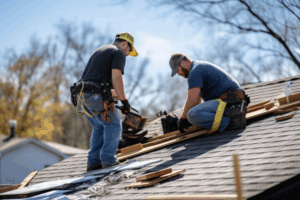 One of the most obvious indicators that your roof needs immediate attention is the presence of water stains on ceilings or walls. These stains often appear as brown or yellowish patches and are typically a result of water seeping through damaged areas of the roof. In some cases, you might even notice active dripping during rainstorms. Check This Out — if left unaddressed, water leaks can lead to mold growth, weakened structures, and damage to electrical systems. Therefore, it’s essential to take such signs seriously and call in a professional to inspect the situation right away.
Missing or Damaged Shingles
Shingles are the outermost layer of your roof, acting as a barrier against rain, wind, and debris. If you start noticing that shingles are curling, cracked, or missing altogether, this is a red flag that your roof’s protective layer has been compromised. These imperfections often follow strong winds or hailstorms, but they can also result from age and prolonged exposure to UV rays. A few damaged shingles might not seem urgent at first, but they can lead to significant damage if water penetrates beneath the surface. Timely repairs can prevent widespread issues and maintain the longevity of your roofing system.
Sagging Roof Sections
A sagging area in your roof is a more severe sign that should not be ignored. This typically indicates structural issues such as water saturation, wood rot, or weakened supports. You may notice the sag from the outside, or you might observe that your ceiling has started to bow downward inside the home. Sagging roofs pose serious risks to safety, as they may collapse if not repaired in time. Immediate intervention is required to assess the cause of the sag and reinforce the structure before the situation worsens.
Granule Loss in Gutters
Asphalt shingles are coated with granules that protect them from sun damage and help with water shedding. Over time, it’s normal for some granules to come loose, but excessive granule loss is a sign of aging shingles or recent damage. If you notice a significant amount of granules accumulating in your gutters or downspouts, your roof’s ability to protect your home is likely diminished. This problem can leave the underlying materials vulnerable to water damage and reduce the overall effectiveness of your roofing system.
Daylight Visible Through the Attic
Your attic can provide valuable clues about the condition of your roof. If you notice streams of daylight coming through the boards or feel drafts where there shouldn’t be any, it’s a sign that there are gaps or holes in your roofing material. These openings not only allow water to enter but can also serve as entry points for pests and reduce your home’s energy efficiency. Prompt repairs are crucial to seal the openings and restore the roof’s integrity.
Moss or Algae Growth
While moss and algae might seem like purely cosmetic issues, they can signal underlying moisture problems. Moss tends to hold moisture against the surface of the roof, which can cause the shingles to deteriorate faster. In shaded or humid areas, this growth can become quite extensive and even cause water infiltration. Regular roof maintenance can control minor growth, but if the moss has taken hold extensively, professional cleaning and potential repairs may be needed to prevent further damage.
Increased Energy Bills
An unexpected rise in your heating or cooling costs could be linked to roof damage. If your roof is no longer insulating your home properly due to broken seals, missing shingles, or water infiltration, your HVAC system will have to work harder to maintain a consistent temperature. Poor ventilation in the attic caused by roof issues can also lead to heat buildup, making your cooling system less efficient. In such cases, a professional roof inspection can determine whether repairs or even partial replacement is needed to restore energy efficiency.
More Details Before hiring anyone, it’s important to understand the extent of the damage your roof has suffered. A visual inspection from the ground might reveal missing shingles or obvious holes, but more subtle issues like water intrusion, structural damage, or weakened roofing materials often require professional assessment. While you don’t need to become an expert, having a general sense of the condition of your roof can help you communicate more effectively with potential contractors and make better-informed decisions.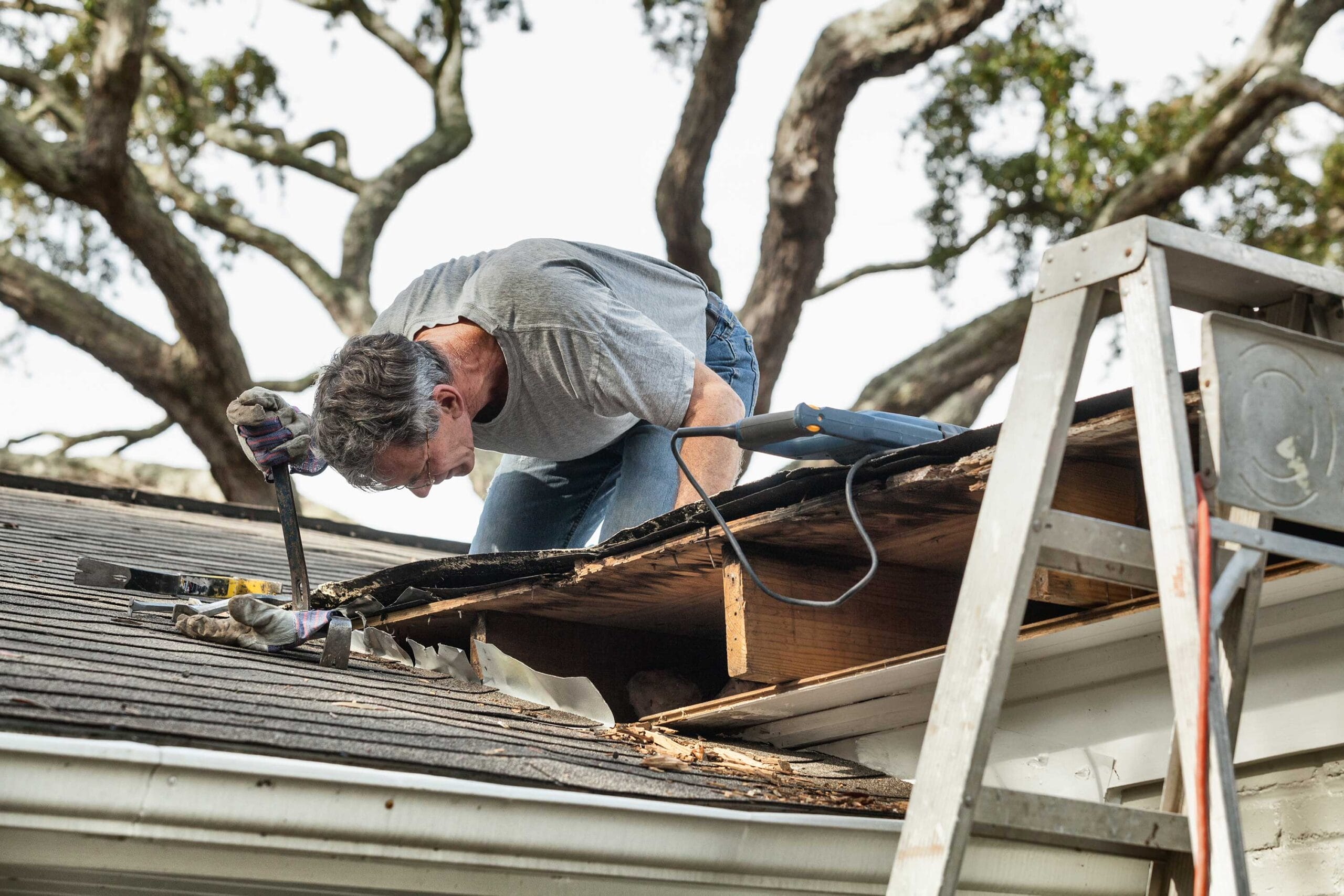
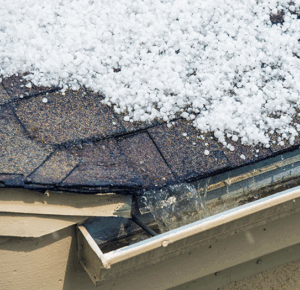 Asphalt shingles remain one of the most common roofing materials in North America due to their affordability and ease of installation. Standard three-tab shingles, however, can be susceptible to hail damage. For hail-prone areas, impact-resistant shingles offer a much better option. These upgraded shingles are designed to meet specific Class 4 impact resistance standards, making them more durable in the face of hailstones. They often include a reinforced fiberglass backing that enhances their flexibility and resilience. When replacing damaged shingles, opting for these high-impact variants ensures better protection in the future.
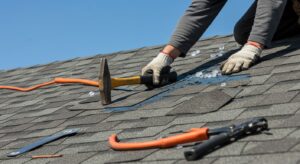 Clay and concrete tiles are known for their elegance and durability, but they can be vulnerable to cracking under hail impact. That said, reinforced concrete tiles and synthetic alternatives now offer greater resistance to breakage. During the repair process, replacing broken tiles with these impact-resistant versions can maintain the architectural style while improving the roof’s ability to withstand future storms. It’s essential to work with experienced